
README file from
Github🧠 Thought Agent
Your vault doesn't just store knowledge, it thinks with you.
An AI-powered Obsidian plugin that treats your notes, links, and diagrams as a living knowledge graph.
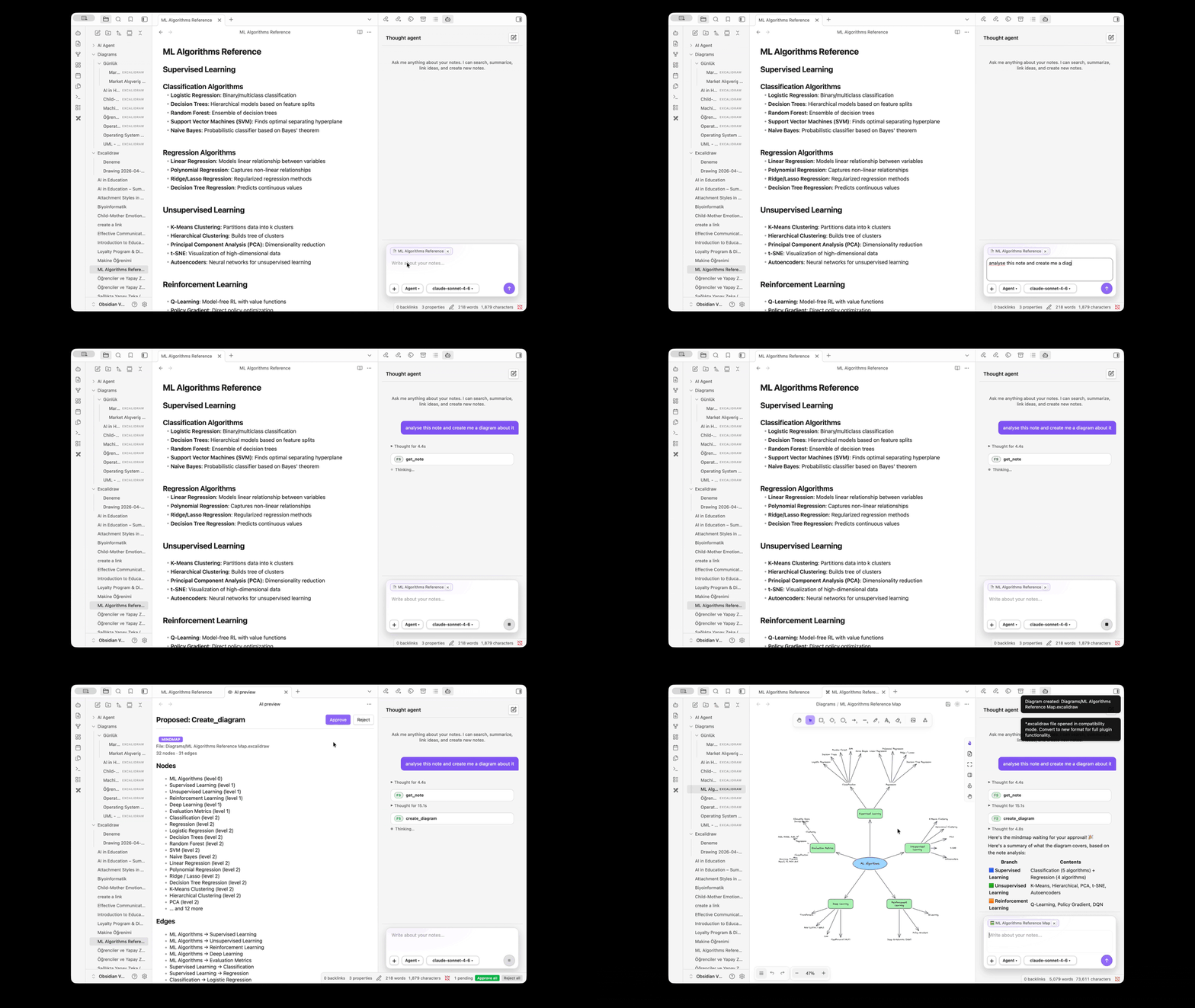






✦ What is Thought Agent?
Thought Agent is not a chatbot bolted onto your notes. It is an autonomous reasoning agent that navigates your vault like a researcher, searching semantically, traversing graph links, proposing safe edits, and generating visual diagrams, all without touching a single file until you approve.
"Think of it as a second brain for your second brain."
📦 Installation
Option 1, Obsidian Community Plugins (recommended)
- Open Obsidian → Settings → Community Plugins → Browse.
- Search for "Thought Agent".
- Click Install, then Enable.
That's it — no BRAT, no manual file copying.
You can also open the plugin page directly: community.obsidian.md/plugins/thought-agent
Option 2, BRAT
BRAT lets you install plugins directly from GitHub and get pre-release updates.
- Install Obsidian42 - BRAT from the Community Plugins store.
- Open Obsidian → Settings → BRAT → Add Beta Plugin.
- Paste the repository URL:
https://github.com/Tuguberk/Thought-Agent-Obsidian - Click Add Plugin, BRAT downloads and enables it automatically.
- Go to Settings → Community Plugins and toggle Thought Agent on.
Option 3, Manual installation
- Go to the Releases page and download the latest:
main.jsmanifest.jsonstyles.css
- Copy all three files into your vault's plugins folder:
<your-vault>/.obsidian/plugins/thought-agent/ - Restart Obsidian (or reload without saving).
- Go to Settings → Community Plugins and toggle Thought Agent on.
Option 4, Build from source
# Clone into your vault's plugins folder
git clone https://github.com/Tuguberk/Thought-Agent-Obsidian \
  "<your-vault>/.obsidian/plugins/thought-agent"

cd "<your-vault>/.obsidian/plugins/thought-agent"
npm install
npm run build
Then enable the plugin in Obsidian as above.
🚀 Quick Start
Step 1, Configure a provider
Open Obsidian → Settings → Thought Agent and pick your LLM provider:
Using Anthropic (Claude):
- Set Provider →
Anthropic - Paste your Anthropic API key (
sk-ant-...) - Select a model, Claude Sonnet 4.6 is recommended for the best balance of speed and power
Using OpenRouter (hundreds of models, one key):
- Set Provider →
OpenRouter - Paste your OpenRouter API key (
sk-or-...) - Enter a model slug such as
anthropic/claude-3.7-sonnet,deepseek/deepseek-v4-pro, oropenai/gpt-4o-mini, browse the full catalog at openrouter.ai/models - Hit Test to verify the key and model, then switch models any time from the chat header
Using a local model (OpenAI compatible API):
- Start any OpenAI-compatible local server (e.g. LM Studio, Ollama, llama.cpp)
- Set Provider →
OpenAI compatible API - Default URL is
http://localhost:1234/v1, hit Test to confirm it's reachable - Your prompts never leave your machine 🔒
Step 2, Index your vault
In Settings → Thought Agent, click Re-index vault.
This builds the local semantic index (~25 MB model download on first run). You only need to do this once, and again after adding many new notes.
Embedding provider: The default embedder is a bundled local model (desktop only). On mobile — or to offload embedding to the cloud — open Settings → Thought Agent → Embeddings and choose OpenAI, Google, or OpenRouter, then paste the matching API key. Changing the embedding provider requires re-indexing the vault.
Step 3, Open the chat
Click the 🧠 Thought Agent icon in the left sidebar (or run "Open Thought Agent chat" from the Command Palette).
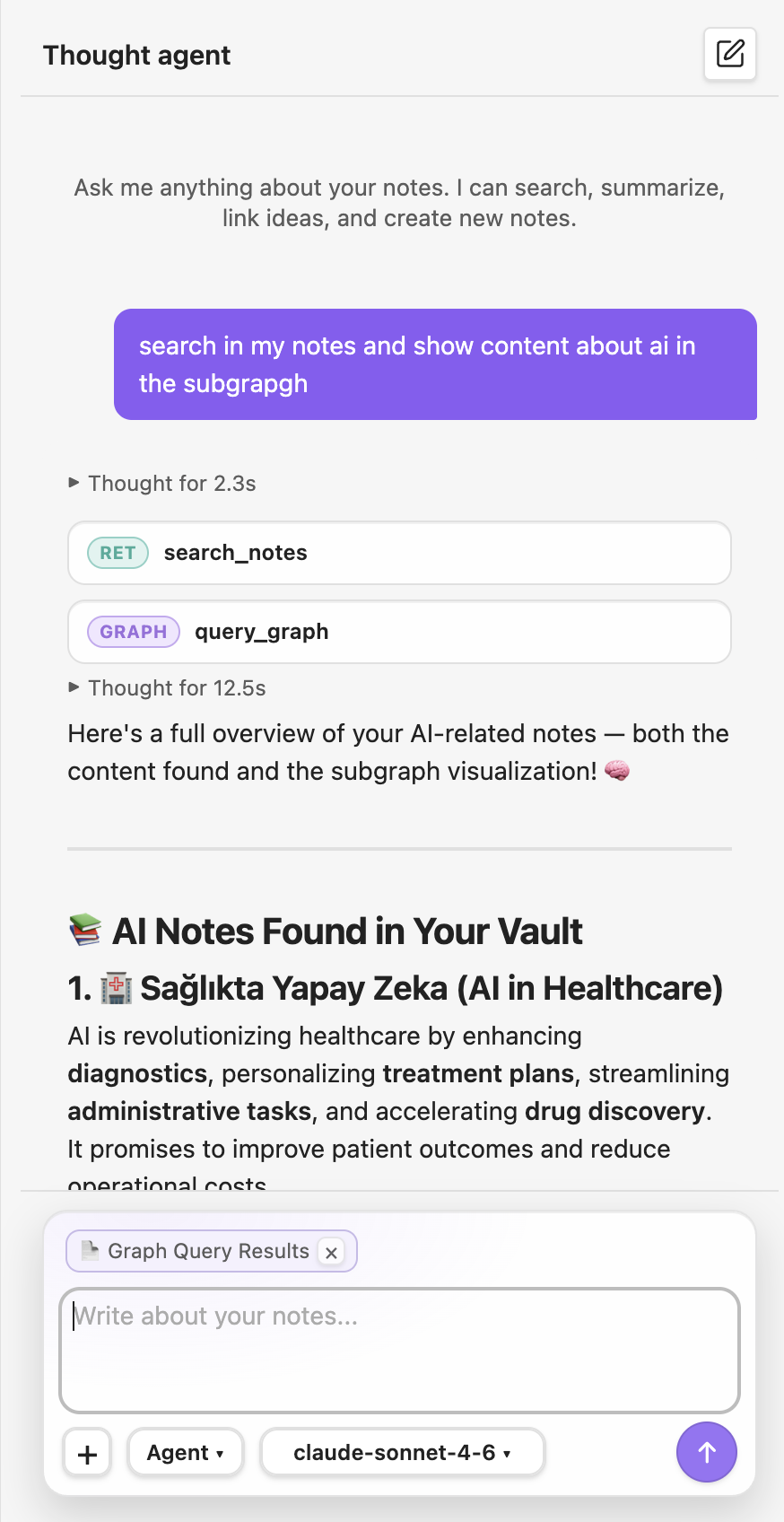
Example prompts to try:
"What do my notes say about machine learning?"
"Summarize my research on [[Attention Mechanisms]] and link related notes"
"Create a mindmap of my project ideas"
"Find notes I haven't linked yet about distributed systems"
"What are the backlinks to my MOC note?"
Step 4, Review & approve changes
The agent will never write to your vault without showing you a preview first.
Every proposed note creation, edit, and diagram goes through a diff view, approve or reject each change individually.
🖼️ Multimodal Input
Attach images and PDFs directly to your messages using the + button in the chat composer.
- Images (JPEG, PNG, GIF, WEBP) — sent as-is to vision-capable models
- PDFs — text is extracted client-side via Obsidian's built-in PDF.js and sent as readable content; no PDF data leaves your machine for local models
- Attach multiple files at once; each appears as a chip with a thumbnail preview
- Attachments are cleared automatically after each message
🏗️ System Architecture
flowchart TD
    U(["👤 User Prompt"]) --> AL["🔄 Agent Loop\nIterative reasoning"]

    AL --> TE["⚙️ Tool Executor"]

    TE --> R["🔍 Hybrid Retrieval\nVector · BM25 · Graph"]
    TE --> V["📝 Vault Operations\nCreate · Edit · Link"]
    TE --> D["🎨 Excalidraw Engine\nCreate · Update · Read"]
    TE --> G["🕸️ Graph Queries\nNeighbors · Backlinks · Subgraphs"]

    R --> CP["📦 Context Pack\nRanked, deduplicated"]
    CP --> AL

    AL --> PR["👁️ Preview & Diff\nPropose before write"]
    PR --> W(["✅ Write to Vault\nUser-approved only"])

    style U fill:#7c3aed,color:#fff,stroke:none
    style W fill:#059669,color:#fff,stroke:none
    style PR fill:#d97706,color:#fff,stroke:none
    style CP fill:#1e40af,color:#fff,stroke:none
🔌 LLM Provider Support
Thought Agent is provider-agnostic. Choose the model that fits your workflow.
flowchart LR
    TA["🧠 Thought Agent\nProvider Layer"] --> AN
    TA --> OR
    TA --> LM
    TA --> OA

    subgraph AN["☁️ Anthropic (Cloud)"]
        C1["Claude Sonnet 4.6\n✦ Recommended"]
        C2["Claude Opus 4.7\n✦ Most powerful"]
        C3["Claude Haiku 4.5\n✦ Fastest"]
    end

    subgraph OR["🔗 OpenRouter (Cloud Gateway)"]
        R1["One key → 100s of models\nClaude · GPT · Llama · DeepSeek\nChat + embeddings"]
    end

    subgraph LM["🖥️ OpenAI Compatible API (Local)"]
        L1["LM Studio · Ollama · llama.cpp\nQwen · Mistral · Llama · Phi\nAny OpenAI-compat model"]
    end

    subgraph OA["🔗 OpenAI-Compatible (Remote)"]
        O1["Any server exposing\n/v1/chat/completions"]
    end

    style TA fill:#7c3aed,color:#fff,stroke:none
    style AN fill:#1a1a2e,color:#e2e8f0,stroke:#7c3aed,stroke-width:1px
    style OR fill:#1a1a2e,color:#e2e8f0,stroke:#f59e0b,stroke-width:1px
    style LM fill:#1a1a2e,color:#e2e8f0,stroke:#059669,stroke-width:1px
    style OA fill:#1a1a2e,color:#e2e8f0,stroke:#3178c6,stroke-width:1px
| Provider | Setup | Privacy | Models | Best For |
|---|---|---|---|---|
| Anthropic | API key | Cloud | Claude Sonnet / Opus / Haiku | Best reasoning quality |
| OpenRouter | API key | Cloud | 100s (Claude · GPT · Llama · DeepSeek) | Widest model choice, one key |
| OpenAI compatible API | localhost:1234 |
100% local | LM Studio · Ollama · llama.cpp | Offline / private vaults |
OpenRouter also powers cloud embeddings — select it under Settings → Thought Agent → Embeddings to use models like
openai/text-embedding-3-smallfor semantic search (handy on mobile, where the local embedder isn't available).
🔍 Retrieval Pipeline
Every query runs through a multi-stage hybrid search before the agent sees any context.
flowchart LR
    Q["🔎 Query"] --> V["Vector Search\n(all-MiniLM-L6-v2)\nSemantic similarity"]
    Q --> B["BM25 Scoring\nKeyword frequency\n& TF-IDF"]

    V --> F["🔀 Fusion\nMin-max normalize + weighted merge\n(0.7 semantic + 0.3 BM25)"]
    B --> F

    F --> GR["🕸️ Graph Re-ranking\nBoost linked neighbors\nof top results"]
    GR --> MM["📊 MMR Filtering\nMaximal Marginal\nRelevance, diversity"]
    MM --> CTX["📦 Context Pack\nTop-K unique chunks\nwith note metadata"]

    style Q fill:#7c3aed,color:#fff,stroke:none
    style CTX fill:#059669,color:#fff,stroke:none
✏️ Safe Write Workflow
"Nothing touches your vault without your eyes on it first."
sequenceDiagram
    actor User
    participant Agent
    participant Preview
    participant Vault

    User->>Agent: "Summarize my research and link related notes"
    Agent->>Agent: Search + reason (tool loop)
    Agent->>Preview: Propose changes (diff view)
    Preview-->>User: Show before/after for each change
    User->>Preview: Approve ✅ / Reject ❌ per item
    Preview->>Vault: Write only approved changes
    Vault-->>User: Notes updated safely
🎨 Excalidraw Integration
Generate, update, and search visual diagrams, directly from natural language.
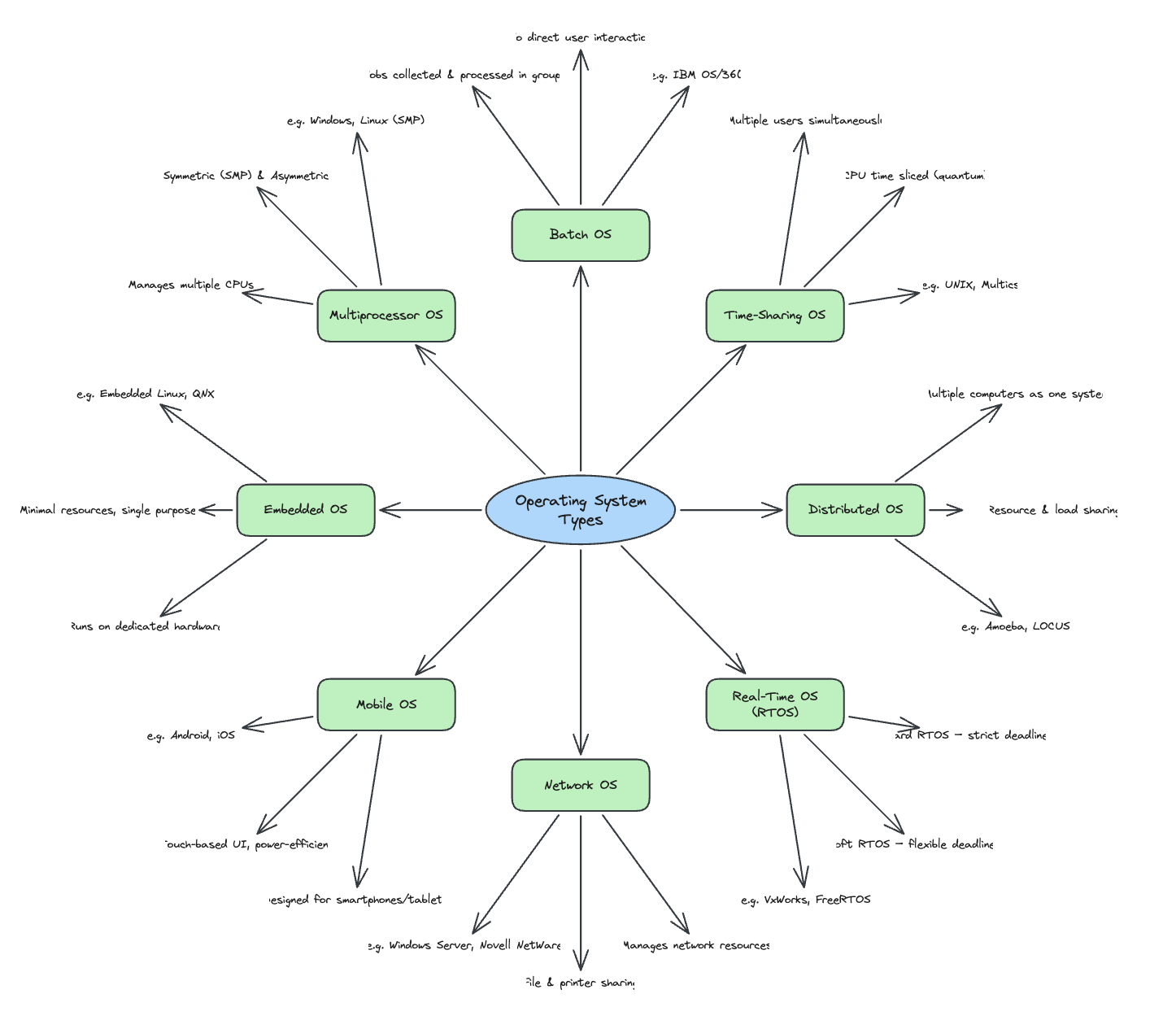
flowchart TD
    NL(["💬 'Create a mindmap\nof my ML notes'"]) --> EA["Excalidraw\nAgent Tools"]

    EA --> T1["📐 create_diagram\nmindmap · flowchart\ntimeline · entity-graph"]
    EA --> T2["✏️ update_diagram\nAdd nodes · edges\nUpdate labels"]
    EA --> T3["🔍 search_diagrams\nSemantic index\nover .excalidraw files"]
    EA --> T4["📖 read_diagram\nExtract nodes, edges\n& text content"]
    EA --> T5["🔗 annotate_diagram\nBidirectional link\nnote ↔ diagram"]

    T1 --> LE["🏗️ Layout Engine\nDeterministic placement\nAnchor-aware arrows\nLayer ordering"]
    T2 --> LE
    LE --> PR["👁️ Preview\n→ User Approval"]
    PR --> OUT(["📄 .excalidraw file\nwritten to vault"])

    style NL fill:#7c3aed,color:#fff,stroke:none
    style OUT fill:#059669,color:#fff,stroke:none
    style LE fill:#d97706,color:#fff,stroke:none
Supported diagram types:
| Type | Description | Use case |
|---|---|---|
mindmap |
Hierarchical radial tree | Brainstorming, concept maps |
flowchart |
Process with decision nodes | Algorithms, workflows |
timeline |
Chronological node chain | History, project planning |
entity-graph |
Relationship network | Knowledge graphs, ERDs |
🛠️ Agent Tool Inventory
The agent has 14 tools across two categories:
| Tool | Description |
|---|---|
search_notes |
Hybrid semantic + keyword search over the entire vault |
get_note |
Fetch full content of any note by path |
get_neighbors |
Walk outgoing/incoming links to depth N |
get_backlinks |
Find all notes pointing to a target note |
query_graph |
Filter & visualize a subgraph (opens visual graph view) — see below |
create_note |
Propose a new note (preview → approval) |
edit_note |
Propose changes to an existing note (diff preview) |
link_notes |
Add a wikilink between two notes (preview → approval) |
reorganize |
Multi-step vault restructuring with per-step approval |
set_session_constraint |
Scope agent to specific tags/folders for the session |
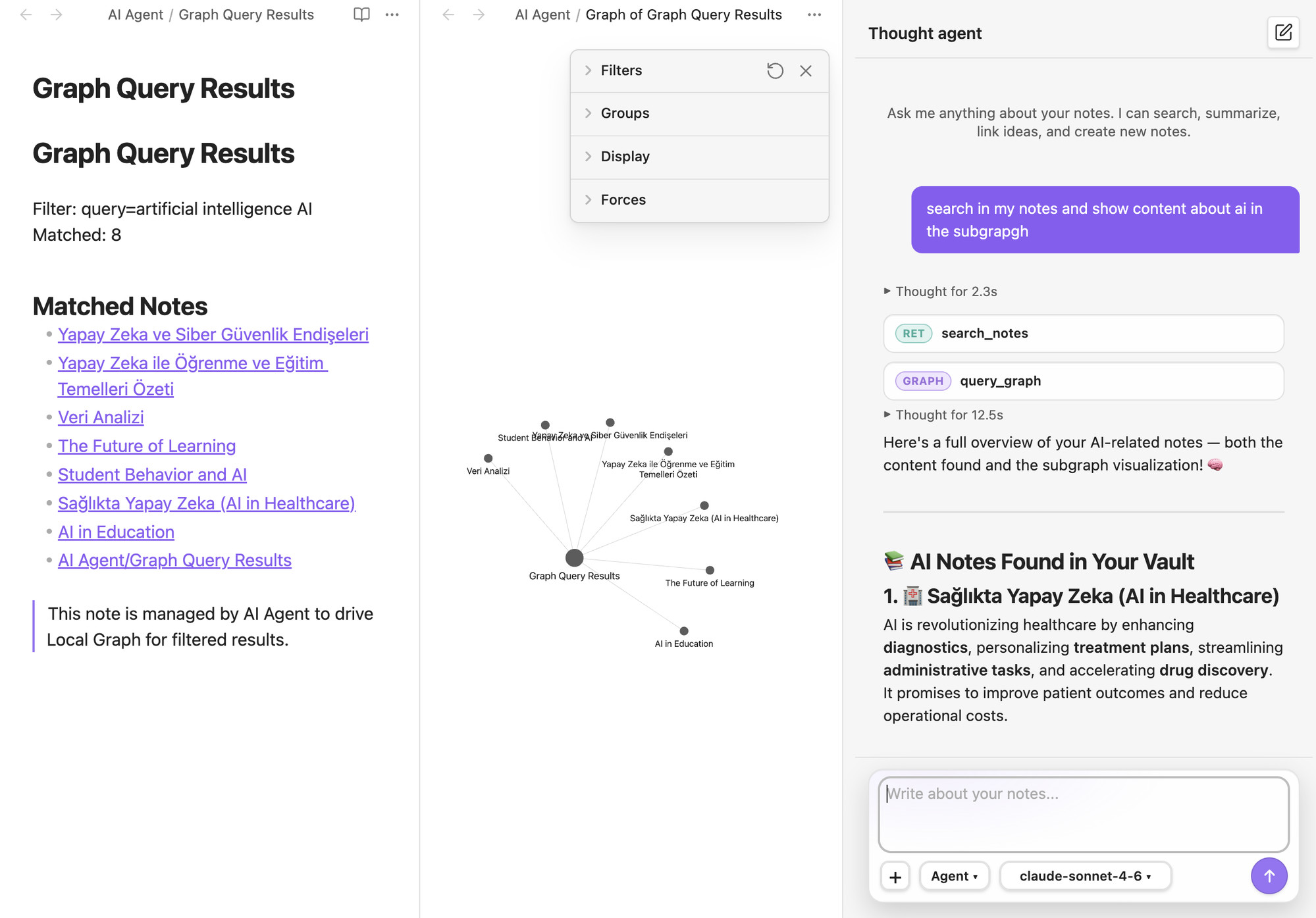
| Tool | Description |
|---|---|
create_diagram |
Generate new .excalidraw from semantic node/edge structure |
update_diagram |
Add nodes/edges or relabel existing diagram |
search_diagrams |
Semantic search over the diagram index |
read_diagram |
Extract structured content from any .excalidraw file |
annotate_diagram |
Bidirectionally link a note and a diagram |
⚡ Getting Started to Development
Requirements
- Obsidian Desktop 1.7.2+
- Node.js 18+
- npm
- (Optional) Excalidraw Obsidian plugin for diagram features
Installation (Development)
# 1. Clone into your vault's plugins folder
git clone https://github.com/Tuguberk/Thought-Agent-Obsidian \
  /path/to/vault/.obsidian/plugins/thought-agent

# 2. Install dependencies
cd thought-agent && npm install

# 3. Start the dev build (watches for changes)
npm run dev

# 4. Enable "Thought Agent" in Obsidian → Settings → Community Plugins
Production build
npm run build
📄 License
MIT © Tuğberk Akbulut
Built with ❤️ for people who think in graphs.